In the realm of gardening, success is often rooted in the right tools and equipment. A well-equipped gardener armed with the appropriate instruments can transform a mere patch of soil into a thriving oasis of greenery. Among the myriad of gardening essentials, garden tools and watering equipment stand out as the backbone of a gardener’s arsenal. In this comprehensive guide, we will delve into the world of garden tools and watering equipment, exploring their types, uses, and essential maintenance tips.
Essential Garden Tools for Every Green Thumb
Maintaining a beautiful garden involves a variety of tasks, and having the right tools at your disposal can make all the difference. Here are some essential garden tools that every gardener should consider:
-
Pruners and Shears
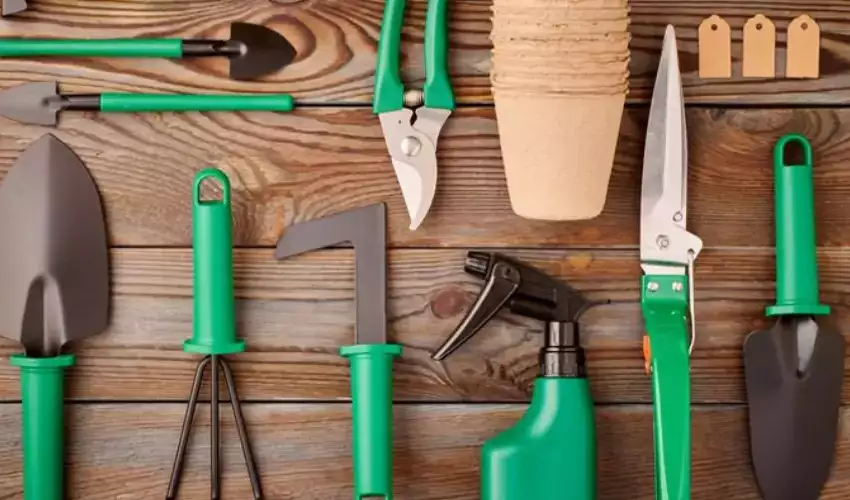
Pruners and shears are the surgeons of the garden world, allowing you to trim and shape your plants with precision. Hand pruners are excellent for smaller branches, while lopping shears are ideal for thicker growth. Regular pruning promotes healthy growth, enhances flowering, and keeps your garden looking tidy.
-
Trowels and Hand Forks
A trusty trowel is a gardener’s best friend when it comes to planting and transplanting. Paired with a hand fork, these tools are essential for working the soil, removing weeds, and ensuring the proper placement of seeds and seedlings. Look for sturdy, ergonomic designs to minimize hand fatigue during extended use.
-
Garden Rake
A garden rake is indispensable for leveling soil, removing debris, and preparing the ground for planting. Choose a rake with adjustable tines to adapt to different soil types and tasks. It’s a versatile tool that plays a crucial role in garden maintenance throughout the seasons.
Mastering the Art of Watering: Types of Watering Equipment
Watering is a fundamental aspect of gardening, and using the right equipment ensures that your plants receive the right amount of moisture. Let’s explore some common types of watering equipment:
-
Watering Cans
Watering cans are a classic and versatile tool for gardeners. They are ideal for precise watering, allowing you to target specific plants without wasting water. Look for cans with a removable rose attachment for gentle watering or a spout for direct pouring. Choose a design that balances durability and aesthetics for a perfect garden companion.
-
Garden Hoses and Sprinklers
For larger gardens, a good-quality garden hose is indispensable. Pair it with a sprinkler to efficiently cover a larger area. Adjustable sprinklers allow you to customize the spray pattern, ensuring that every inch of your garden receives adequate hydration. Invest in a hose reel for easy storage and to prevent kinks that can impede water flow.
-
Drip Irrigation Systems
Drip irrigation systems provide a consistent and efficient way to water plants at their roots. These systems are particularly beneficial for vegetable gardens and flower beds. They conserve water by delivering it directly to the soil, reducing evaporation and minimizing weed growth. While the initial setup may require some effort, the long-term benefits make drip irrigation a sustainable choice for gardeners.
The Care and Maintenance of Garden Tools
Proper care and maintenance of garden tools are essential to ensure their longevity and optimal performance. Neglecting this aspect can lead to rust, dull blades, and overall inefficiency. Follow these tips to keep your garden tools in top shape:
-
Cleaning and Sharpening
After each use, clean your tools to remove soil and debris. Use a wire brush to scrub away rust, and sharpen blades regularly with a file or sharpening stone. Sharp tools make clean cuts, reducing the risk of plant diseases and promoting healthy plant growth.
-
Lubrication
Apply a thin layer of oil to metal parts, such as blades and hinges, to prevent rust and ensure smooth operation. A silicone-based lubricant is suitable for moving parts, while mineral oil is excellent for preventing rust on metal surfaces.
-
Storage
Store your tools in a dry, well-ventilated space to prevent rust and deterioration. Hanging them on a pegboard or storing them in a tool shed helps to keep them organized and easily accessible. Avoid leaving tools on the ground, as this can lead to rust and damage.
-
Handle Maintenance
Inspect wooden handles for cracks or splinters regularly. Sand them down and apply linseed oil to keep them smooth and resistant to moisture. For tools with plastic or metal handles, wipe them down with a damp cloth to remove dirt and grime.
Choosing the Right Garden Tools for Your Needs
Investing in the right garden tools can significantly impact the efficiency of your gardening endeavors. Consider the following factors when selecting your tools:
-
Garden Size and Layout
The size and layout of your garden influence the type of tools you need. For small gardens or container gardening, compact hand tools may suffice. Larger gardens may require long-handled tools and power equipment for efficiency.
-
Soil Type
Different soil types require different tools. For heavy, clayey soils, a sturdy garden fork is essential for breaking up compacted earth. Sandy soils may benefit from tools that help retain moisture, such as mulching and drip irrigation systems.
-
Gardening Goals
Your specific gardening goals also play a role in tool selection. If you aspire to create a meticulously manicured garden with intricate designs, precision tools like topiary shears may be essential. For a more relaxed, natural garden, basic hand tools may be all you need.
Conclusion
In the world of gardening, success is often cultivated with the right tools and equipment. From the meticulous pruning of delicate flowers to the even distribution of life-giving water, garden tools and watering equipment are the unsung heroes of lush landscapes. By understanding the types of tools available, mastering the art of watering, and committing to proper care and maintenance, any gardener can embark on a journey to create a vibrant and thriving outdoor haven. So, gear up, grab your watering can and pruners, and let the transformation of your garden begin. Happy gardening!