
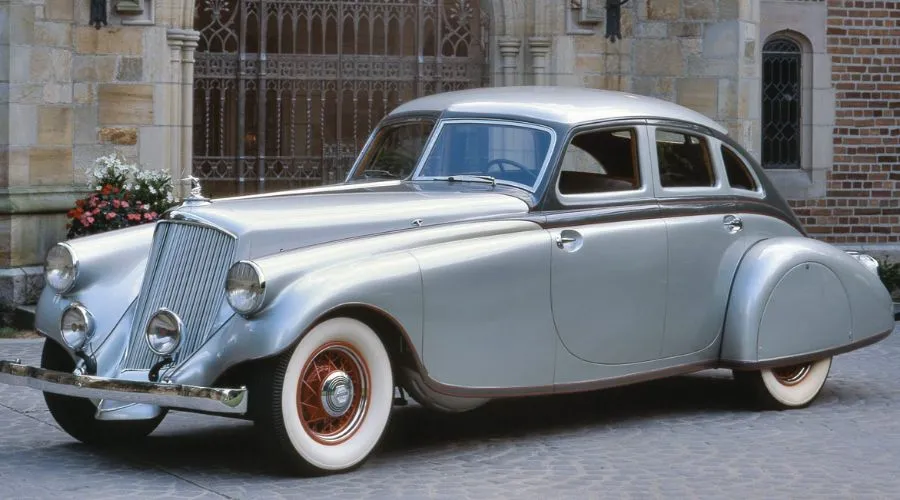
The word “Cars” evokes images of sleek, powerful machines cruising down open roads, symbolizing freedom, progress, and innovation. Cars have played a pivotal role in shaping the modern world, transforming the way we live, work, and connect with one another. This blog explores the fascinating journey of cars, from their humble beginnings to the cutting-edge technologies driving the automotive industry today.
A Glimpse into the Past
Early Days of Automobiles
The journey of cars started in the late 19th century, with pioneers like Karl Benz introducing the world to the first practical automobile in 1885. These early vehicles were more akin to horse-drawn carriages with an engine, chugging along at a modest pace. The concept of personal transportation was revolutionized, setting the stage for the automotive revolution.
Model T: The Game-Changer
Fast forward to the early 20th century, and Henry Ford’s Model T emerged as a game-changer. Introduced in 1908, the Model T made cars affordable for the average person, opening up new possibilities for travel and commerce. Mass production techniques pioneered by Ford further accelerated the growth of the automotive industry, making cars more accessible to the masses.
The Golden Age of Automobiles
Stylish Icons of the Mid-20th Century
The mid-20th century witnessed the rise of iconic cars that blended performance with style. The 1950s and 1960s, in particular, gave birth to classic models like the Chevrolet Bel Air, Ford Mustang, and Cadillac Eldorado. These cars were not just modes of transportation; they were symbols of status and aspiration, reflecting the optimism of the post-war era.
Muscle Cars and Speed Demons
As the automotive industry evolved, a new breed of cars roared onto the scene – the muscle cars. The Ford Mustang, Chevrolet Camaro, and Dodge Charger became synonymous with power and speed. The 1960s and 1970s saw a surge in performance-oriented vehicles, capturing the imagination of car enthusiasts and setting the stage for the high-performance cars of today.
Technological Advancements in the Automotive Industry
The Digital Revolution
The late 20th century brought about a paradigm shift with the integration of digital technology into cars. Electronic fuel injection, anti-lock braking systems (ABS), and onboard computers became standard features, enhancing safety, efficiency, and overall performance. Cars were no longer just mechanical marvels; they were becoming sophisticated digital systems on wheels.
The Rise of Electric Vehicles (EVs)
In recent years, the automotive landscape has witnessed a revolutionary shift towards electric vehicles. Concerns about environmental sustainability and the desire for energy-efficient transportation have fueled the development of electric cars. Industry leaders like Tesla have played a crucial role in popularizing electric vehicles, making them not just environmentally friendly but also high-performing and stylish.
Autonomous Driving: A Glimpse into the Future
The 21st century has seen the emergence of autonomous driving technology. Cars are no longer confined to being driven by humans alone. Advanced sensors, artificial intelligence, and machine learning algorithms are paving the way for self-driving cars. While fully autonomous vehicles are still in the testing phase, the prospect of a future where cars navigate themselves is becoming increasingly plausible.
The Future of Cars: Beyond the Horizon
Sustainable Innovation
As the world grapples with environmental challenges, the automotive industry is at the forefront of sustainable innovation. Manufacturers are investing heavily in developing eco-friendly technologies, including hydrogen fuel cells, biofuels, and improved battery storage for electric vehicles. The focus is not only on reducing emissions but also on creating cars that leave a minimal ecological footprint.
Connectivity and Smart Features
The cars of the future are set to be more connected than ever before. The Internet of Things (IoT) is transforming cars into smart devices on wheels. From advanced infotainment systems to real-time traffic data and autonomous parking, cars are becoming integrated hubs of connectivity. This connectivity not only enhances the driving experience but also contributes to improved safety and efficiency.
Cutting-Edge Materials and Design
Innovations in materials and design are reshaping the aesthetics and functionality of cars. Lightweight materials like carbon fiber are being used to enhance fuel efficiency without compromising on safety. Moreover, futuristic designs are not just about aesthetics but also about aerodynamics and energy efficiency. The intersection of art and engineering is giving rise to cars that are not only efficient but also visually stunning.
Conclusion
From the rudimentary horseless carriages of the late 19th century to the futuristic, connected vehicles of today, the evolution of cars is a testament to human ingenuity and technological progress. The automotive industry continues to push boundaries, with a focus on sustainability, innovation, and safety. As we look to the future, the journey of cars is far from over, promising exciting developments that will redefine the way we perceive and experience transportation. Cars have not just been a means of getting from point A to B; they have been companions on a journey of progress, adventure, and endless possibilities.