In the ever-evolving landscape of childhood play, electronic toys have emerged as a dominant force, captivating the minds of young and old alike. These innovative gadgets entertain and educate, providing a unique blend of fun and learning experiences. In this blog, we’ll delve into the world of electronic toys, exploring their evolution, impact on child development, and the latest trends shaping this dynamic industry.
The Rise of Electronic Toys
Electronic toys have come a long way since the simple beeping handheld devices of the past. With advancements in technology, these toys have become more sophisticated, offering interactive and immersive experiences. From robotic companions to augmented reality games, the possibilities seem endless. The rise of electronic toys can be attributed to the fusion of creativity and technology, providing children with an engaging and educational playtime.
Interactive Learning: A Game-Changer
One of the key advantages of electronic toys is their ability to facilitate interactive learning. Educational games and apps have transformed the way children acquire knowledge and skills. Companies are leveraging cutting-edge technologies such as artificial intelligence and virtual reality to create interactive lessons that make learning enjoyable. Electronic toys are no longer just about entertainment; they are valuable tools for cognitive development.
Balancing Screen Time
While electronic toys offer numerous benefits, concerns about excessive screen time and its potential impact on children’s health have been raised. Striking a balance between the use of electronic toys and traditional play is crucial. Parents and educators need to monitor screen time, ensuring that it complements, rather than replaces, other forms of play that contribute to physical, social, and emotional development.
Impact on Child Development
As children engage with electronic toys, they experience a range of developmental benefits. Understanding these positive impacts can help parents make informed choices when selecting toys for their children.
Cognitive Development
Electronic toys often incorporate puzzles, problem-solving challenges, and memory games, promoting cognitive development. These activities stimulate a child’s brain, enhancing their ability to think critically and solve problems. The interactive nature of these toys encourages active engagement, contributing to the development of logical reasoning and decision-making skills.
Social and Emotional Skills
Many electronic toys encourage social interaction, either through multiplayer games or interactive features. This fosters teamwork, communication, and emotional intelligence. As children navigate virtual worlds and collaborate with others, they develop valuable social skills that are essential for success in the real world.
Motor Skills Enhancement
Even in the digital realm, electronic toys can play a role in improving fine and gross motor skills. Touchscreen interfaces, motion sensors, and interactive controls require physical manipulation, contributing to the development of hand-eye coordination and motor skills. This integration of physical activity with digital play is a testament to the versatility of electronic toys.
Creativity and Imagination
Contrary to the misconception that electronic toys stifle creativity, many of them are designed to spark imagination. Augmented reality toys, for example, transport children to fantastical worlds where they can unleash their creativity. The combination of virtual and physical elements allows for unique and imaginative play experiences.
Latest Trends in Electronic Toys
As technology continues to advance, the landscape of electronic toys is constantly evolving. Here are some of the latest trends shaping the industry.
Robotics and AI Integration
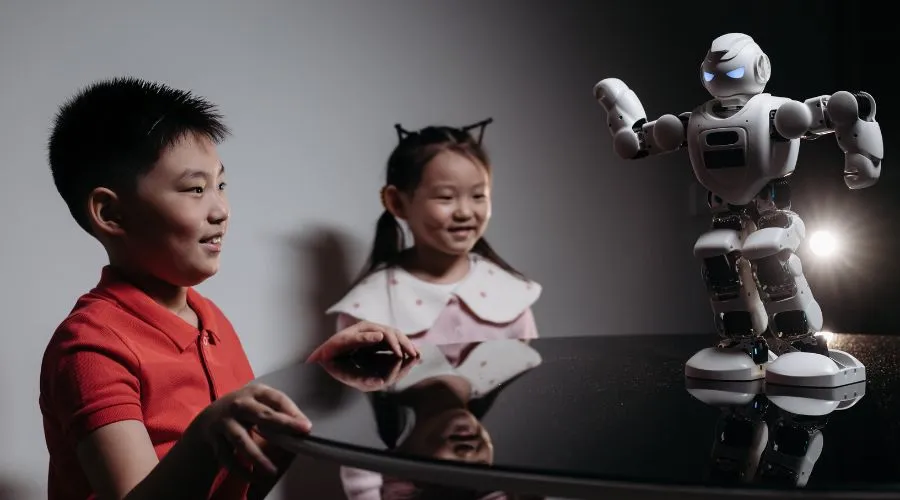
The integration of robotics and artificial intelligence has opened up new possibilities in the world of electronic toys. From programmable robots that teach coding to AI-powered companions that adapt to a child’s preferences, these advancements are pushing the boundaries of interactive play.
Augmented and Virtual Reality Experiences
Augmented and virtual reality technologies have found their way into the realm of toys, offering immersive experiences that go beyond the confines of traditional play. Whether exploring virtual worlds or interacting with holographic elements in the real world, children are now able to engage with their surroundings in unprecedented ways.
Eco-Friendly and Sustainable Toys
With a growing focus on environmental sustainability, the toy industry is embracing eco-friendly practices. Electronic toys made from sustainable materials, with minimal environmental impact, are gaining popularity. Manufacturers are responding to the demand for toys that not only entertain but also align with environmentally conscious values.
STEM-Focused Toys
Toys that promote science, technology, engineering, and mathematics (STEM) education continue to gain traction. Electronic toys that teach coding, robotics, and basic engineering principles are becoming essential tools for preparing the next generation for careers in the rapidly evolving tech-driven world.
Conclusion
Electronic toys have undoubtedly transformed the landscape of childhood play, offering a blend of entertainment and education. As technology continues to advance, the potential for innovative and enriching play experiences is limitless. However, parents, educators, and industry stakeholders need to navigate this evolving landscape mindfully, ensuring that electronic toys contribute positively to the holistic development of children. By embracing the latest trends responsibly and understanding the impact of these toys on child development, we can ensure that the world of electronic toys continues to be a source of joy, learning, and creativity for generations to come.